
Full Stack Software Development Course for Launching a Successful Developer Career in 2026

The technology industry is evolving faster than ever, and 2026 is expected to bring even greater demand for skilled software developers who can build complete digital solutions from front-end interfaces to back-end systems. Companies are no longer looking for professionals who only specialise in one area. Instead, they prefer full-stack developers who can handle web applications, databases, APIs, cloud deployment, and user experiences efficiently.
A Full Stack Software Development Course is one of the best ways to prepare for this rapidly growing industry. With the right training, aspiring developers can gain practical knowledge, build real-world projects, and open doors to lucrative career opportunities across startups, enterprises, and global tech firms.
Why Full Stack Development Is the Future
The software development landscape has changed significantly over the last few years. Businesses now require agile development processes where developers can contribute across multiple layers of a project. Full-stack developers have become highly valuable because they understand both client-side and server-side technologies.
In 2026, organisations are expected to continue investing heavily in:
- Web application development
- SaaS platforms
- Artificial Intelligence integration
- Cloud-based software systems
- Mobile-responsive applications
- Cybersecurity-focused development
This creates enormous opportunities for professionals trained in full-stack software development.
What Is Full Stack Software Development?
Full-stack software development refers to the process of developing both the front-end and back-end portions of an application. A full-stack developer is skilled in multiple technologies required to create a fully functional software product.
Front-End Development
Front-end development focuses on the visual and interactive parts of a website or application. Developers use technologies such as:
- HTML
- CSS
- JavaScript
- React
- Angular
- Vue.js
These technologies help create responsive and user-friendly interfaces.
Back-End Development
Back-end development handles server-side operations, business logic, databases, and APIs. Common technologies include:
- Node.js
- Python
- Java
- PHP
- Express.js
- Django
Database Management
Databases are essential for storing and retrieving application data. Full-stack developers often work with:
- MySQL
- PostgreSQL
- MongoDB
- Firebase
Cloud and Deployment
Modern applications require cloud integration and deployment expertise. Developers learn tools such as:
- AWS
- Docker
- Kubernetes
- GitHub Actions
- CI/CD pipelines
These skills are becoming increasingly important in 2026.
Benefits of Enrolling in a Full Stack Development Course
High Demand for Developers
Full-stack developers are among the most in-demand professionals in the tech industry. Businesses prefer developers who can manage complete project lifecycles efficiently.
Better Salary Opportunities
Since full-stack developers possess broader technical expertise, they often receive higher salary packages compared to single-domain specialists.
Flexibility Across Industries
Almost every industry now relies on software solutions, including:
- Healthcare
- Finance
- E-commerce
- Education
- Entertainment
- Real Estate
A full-stack skill set allows professionals to work in multiple sectors.
Freelancing and Remote Work
The rise of remote work has created tremendous opportunities for freelance developers. Full-stack expertise allows individuals to build complete applications independently.
Entrepreneurial Opportunities
Many startups are launched by developers who understand end-to-end software development. Learning full-stack development can help aspiring entrepreneurs create and launch their own digital products.
Essential Skills You Will Learn
A modern full stack software development course prepares students with practical industry-ready skills.
Programming Fundamentals
Students first learn programming logic, algorithms, and problem-solving techniques. These fundamentals create a strong technical foundation.
Version Control Systems
Git and GitHub are essential for collaborative software development. Developers learn how to manage code repositories and workflows efficiently.
Responsive Web Design
Modern users access applications across desktops, tablets, and smartphones. Courses teach responsive design principles to ensure compatibility across devices.
API Development and Integration
APIs allow different software systems to communicate. Developers learn RESTful APIs, authentication methods, and third-party integrations.
Database Connectivity
Students learn how to connect applications with databases for data storage and retrieval.
Security Best Practices
Cybersecurity is critical in software development. Courses often include secure authentication, data protection, and vulnerability prevention techniques.
Real-World Project Building
Hands-on projects help students gain practical experience and create professional portfolios that attract employers.
Why Practical Learning Matters in 2026?
Traditional theory-based learning is no longer enough in the software industry. Employers prefer candidates with hands-on experience in real-world projects.
A high-quality full stack course should include:
- Live coding sessions
- Capstone projects
- Industry assignments
- Debugging exercises
- Deployment training
- Internship opportunities
Practical learning helps students become job-ready faster.
Career Opportunities After Completing the Course
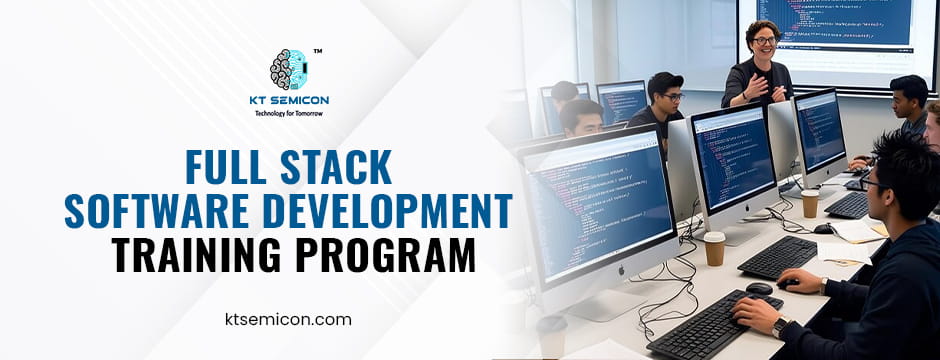
A full-stack software development training program can open doors to multiple career paths.
Full Stack Developer
Handles complete application development from front-end to back-end.
Front-End Developer
Specialises in UI/UX implementation and interactive user experiences.
Back-End Developer
Focuses on databases, APIs, server-side logic, and system architecture.
Software Engineer
Works on enterprise-grade software solutions and scalable systems.
DevOps Engineer
Manages deployment pipelines, cloud infrastructure, and automation processes.
Technical Consultant
Provides technical guidance and software solutions to businesses.
How AI Is Changing Software Development?
Artificial Intelligence is reshaping the software development industry in 2026. Developers are increasingly using AI-powered tools for:
- Code generation
- Debugging assistance
- Automated testing
- Workflow optimization
- Predictive analytics
However, AI tools cannot replace skilled developers who understand architecture, logic, and problem-solving. Instead, AI enhances productivity, making full-stack expertise even more valuable.
Choosing the Right Full Stack Development Course
Not all courses provide industry-ready training. Before enrolling, students should evaluate several factors.
Updated Curriculum
The course should include modern technologies and frameworks relevant to current industry demands.
Experienced Mentors
Learning from experienced professionals helps students understand practical development challenges.
Placement Assistance
Courses with placement support can significantly improve career opportunities.
Project-Based Training
Hands-on project work is essential for building confidence and practical expertise.
Flexible Learning Options
Online and hybrid learning models allow students and working professionals to learn at their convenience.
The Importance of Building a Developer Portfolio
In 2026, portfolios matter more than degrees for many tech roles. Employers often evaluate:
- GitHub repositories
- Live projects
- Open-source contributions
- Technical problem-solving skills
Students should focus on building strong portfolio projects during their training.
Future Trends in Full Stack Development
The future of software development will continue evolving with emerging technologies such as:
- AI-powered applications
- Web3 technologies
- Progressive Web Apps (PWAs)
- Serverless architecture
- Edge computing
- Blockchain integration
Developers who continuously upgrade their skills will remain highly competitive in the global market.
Bottom Line
A successful developer career in 2026 requires more than basic coding knowledge. Companies are actively searching for professionals who can manage front-end interfaces, back-end systems, cloud deployment, databases, and security within a unified development workflow. Enrolling in a professional Full Stack Software Development Course can provide the practical experience, technical foundation, and industry exposure needed to thrive in today’s competitive tech landscape.
For aspiring developers who want comprehensive industry-focused training, the KT Semicon Full Stack Software Development Training Program offers valuable learning opportunities designed to help students build real-world skills and launch successful careers in modern software development.