
Design and Verification Training vs Self-Learning: Why It Matters

In today’s fast-evolving technology landscape, the temptation to rely solely on self-learning is strong. Online tutorials, forums, and free resources make it seem possible to master complex fields without formal guidance. However, in highly specialised domains such as FPGA design, embedded systems, digital design, and high-performance computing, self-learning often falls short. Without a structured approach, learners can struggle to connect theoretical concepts with practical application, potentially leading to gaps in understanding that affect real-world performance.
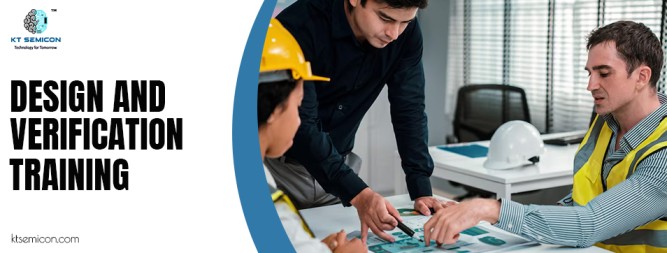
Structured design and verification training provides a roadmap, ensuring that learners acquire skills in a logical, systematic sequence. It combines theoretical knowledge with practical exercises, allowing students to apply concepts immediately, reinforcing learning and promoting retention. Moreover, guided instruction from experienced professionals exposes learners to industry standards and best practices that are difficult to grasp independently. In industries where precision, reliability, and compliance are non-negotiable, such as defence, aerospace, and space technology, formal training becomes not just beneficial but essential.
Beyond technical mastery, structured training cultivates critical thinking, problem-solving, and project management skills. Learners gain exposure to scenarios that mimic real-world challenges, preparing them to handle complex projects under pressure. Unlike self-directed study, which can be fragmented and inconsistent, structured programmes ensure a comprehensive understanding of each subject, fostering confidence and competence in professional environments.
The Limits of Self-Learning
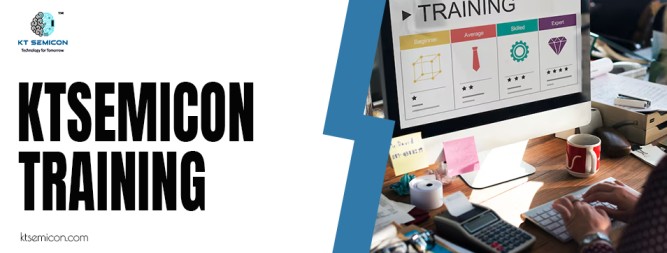
Self-learning has undeniable advantages; it’s flexible, low-cost, and allows learners to explore topics at their own pace. For introductory concepts or hobbies, it can be sufficient. However, for complex engineering disciplines, self-learning often leaves gaps in both depth and breadth of knowledge.
One major limitation is the lack of structured progression. Learners may jump between topics without fully mastering foundational concepts, creating weaknesses that become apparent in advanced projects. For example, understanding FPGA design requires a deep grasp of digital logic, timing analysis, and hardware description languages. Without a structured curriculum, learners may focus on coding exercises while missing critical verification principles, leading to designs that are error-prone or non-compliant with industry standards.
Additionally, self-learners rarely have access to real-world problem scenarios or hands-on projects that replicate industry challenges. They might read about embedded systems or flight software, but without practical application, theoretical knowledge often fails to translate into competence. Industry-specific best practices, optimisation techniques, and debugging strategies remain largely inaccessible, leaving self-learners unprepared for professional roles.
Lastly, self-learning lacks mentorship and peer interaction. Guidance from experienced instructors accelerates learning, provides personalised feedback, and prevents the reinforcement of incorrect methods. Collaborative projects and group exercises also simulate workplace environments, building teamwork and communication skills that self-directed study cannot replicate.
Why Structured Design and Verification Training Excels
Structured training programmes address the limitations of self-learning by combining theory, practice, and mentorship in a cohesive framework. Learners follow a carefully designed curriculum that ensures foundational concepts are fully understood before progressing to advanced topics.
Hands-on labs, workshops, and project-based assignments provide practical experience, enabling students to apply theoretical knowledge in real-world scenarios. This experiential learning approach reinforces understanding and builds confidence in handling complex tasks such as high-performance computing simulations, FPGA implementation, or flight software integration.
Mentorship from industry experts is another critical advantage. Experienced instructors share insights gained from real projects, teaching not just “how” but “why” certain methods and practices are preferred. Learners receive personalised feedback, allowing them to refine techniques, avoid common pitfalls, and accelerate their development curve.
Structured programmes also keep pace with industry trends. In fields such as defence and space technology, standards evolve rapidly, and staying current is essential. Formal training ensures students are exposed to the latest tools, methodologies, and regulatory requirements, providing a competitive edge that self-learning cannot reliably deliver.
Furthermore, structured training promotes soft skills alongside technical expertise. Project management, problem-solving, collaboration, and communication are woven into the learning process, preparing students for professional environments where interdisciplinary coordination and strategic thinking are as crucial as technical ability.
Accelerate Your Career Growth with KT Semicon Training
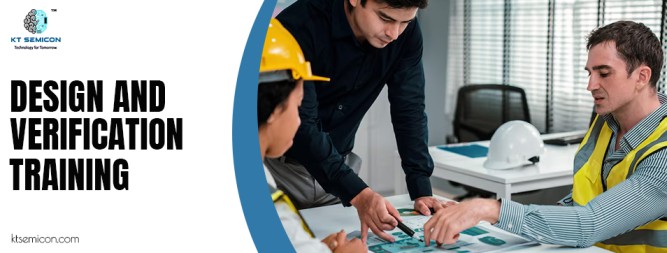
When it comes to structured training courses of design and verification, we at KT Semicon set the standard for excellence. Our programmes, such as ProVLogic VLSI Training, Full Stack Software Development Training Program, and others, combine theoretical knowledge with practical, hands-on experience, equipping students with the skills necessary to thrive in defence and space industries.
We believe in learning by doing. Our curriculum includes lectures, interactive workshops, and project-based assignments, ensuring participants gain a comprehensive understanding of each topic. Experienced instructors guide students through real-world, industry-relevant projects, giving them a clear advantage in professional settings. If you’re searching for top VLSI training in India, then you can definitely trust our brand. Since our training provides the tools and confidence needed to excel.
Final Thoughts
While self-learning offers convenience and flexibility, it cannot replace the depth, structure, and mentorship provided by formal design and verification training. For professionals aiming to excel in high-stakes industries such as defence, aerospace, and space technology, structured training is essential. It bridges the gap between theory and practice, instills industry best practices, and develops the soft skills necessary for career success.
Choosing a structured programme, especially one like KT Semicon, ensures learners are not only technically proficient but also confident, industry-ready, and positioned for a wealth of career opportunities. In fields where precision, reliability, and innovation are paramount, investing in structured training is an investment in professional excellence.